Career Highlights
She does it all — films, series, theatre, and public talks — and she masters them with ease. Monica Guerritore moves effortlessly between genres and styles, from classical drama to contemporary storytelling, from intense monologue to light-hearted comedy. Whether she’s performing on screen, commanding the stage, or speaking directly to an audience, she brings the same fierce intelligence, emotional depth, and artistic precision. Her ability to adapt, lead, and transform across so many forms of expression makes her one of the most versatile and respected voices in Italian culture today.
La Lupa
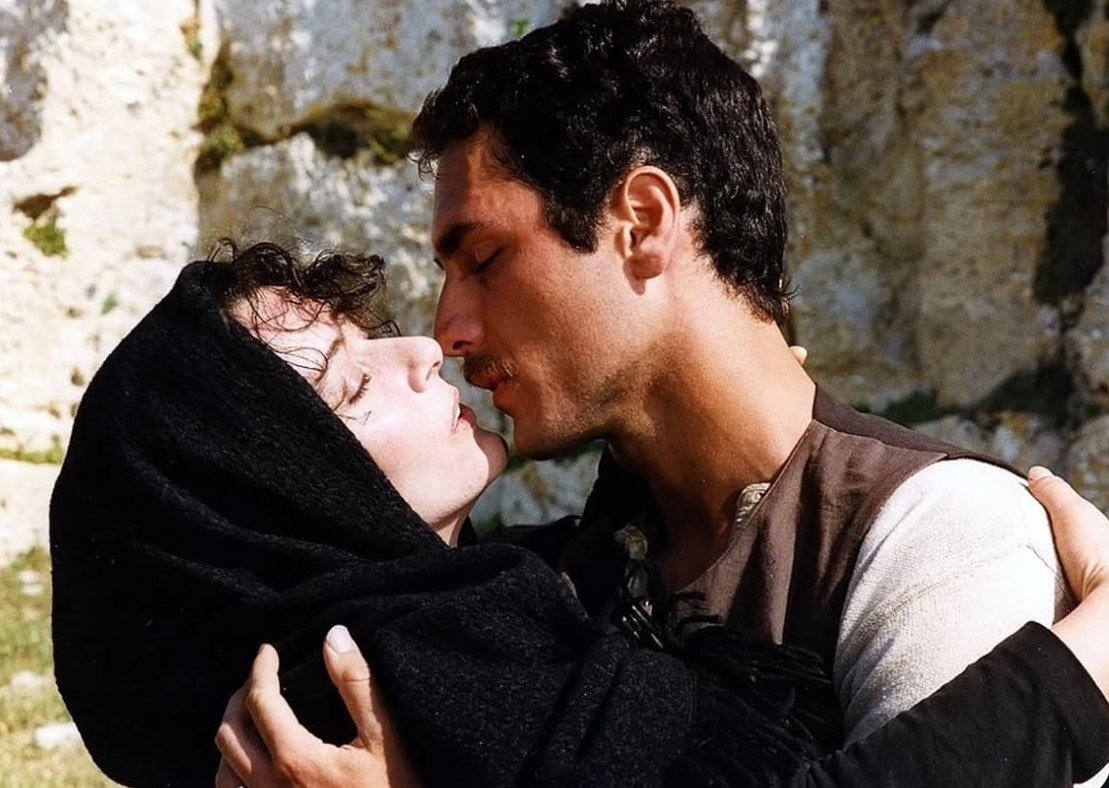
La Lupa is a powerful verismo drama based on the novella by Giovanni Verga. Set in a poor Sicilian village, the story centers on Pina, nicknamed “La Lupa” for her uncontrollable sexual desire. She becomes obsessed with a young farmer, Nanni, who rejects her and marries her daughter Maricchia. Despite this, Pina continues to seduce him, leading to tension, shame, and ultimately violence.
Monica Guerritore plays Pina with intense passion and sensuality. Her character embodies the central theme: the destructive force of unchecked desire within a closed, traditional community. The film shows how instinct and passion can overpower reason and social norms.
Inganno
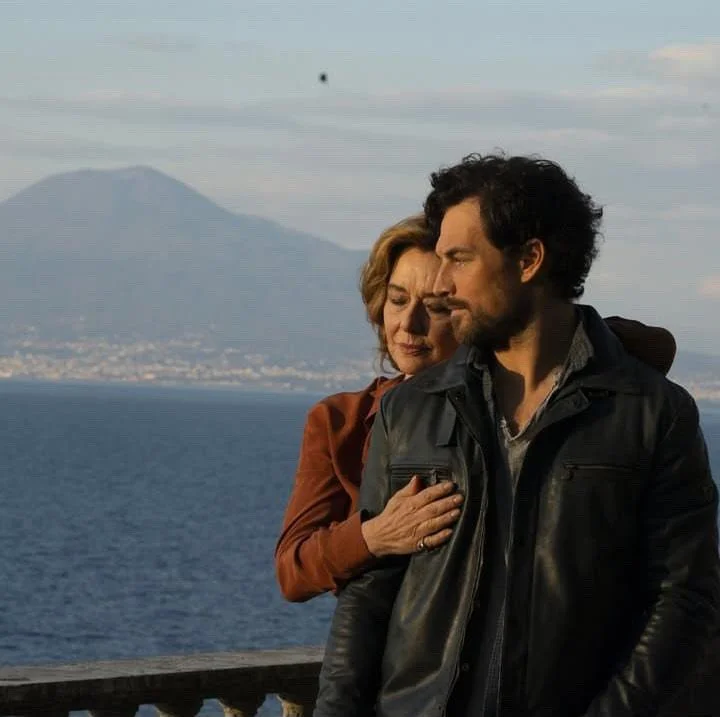
Inganno is a stylish and emotionally charged Italian miniseries that follows Gabriella, a wealthy woman in her sixties who runs a boutique hotel on the Amalfi Coast. Recently divorced, she begins a passionate relationship with Elia, a mysterious man in his thirties. Their romance reignites her sense of freedom and desire but causes tension with her children and ex-husband, who suspect Elia may have ulterior motives.
The series explores themes of age-gap relationships, the clash between personal happiness and family expectations, and the risk of following desire over reason.
Monica Guerritore plays the lead role of Gabriella with elegance and emotional depth, portraying a woman rediscovering her identity and sensuality. Her performance earned her the 2025 Nastro d’Argento award for Protagonist of the Year.
Fred & Ginger
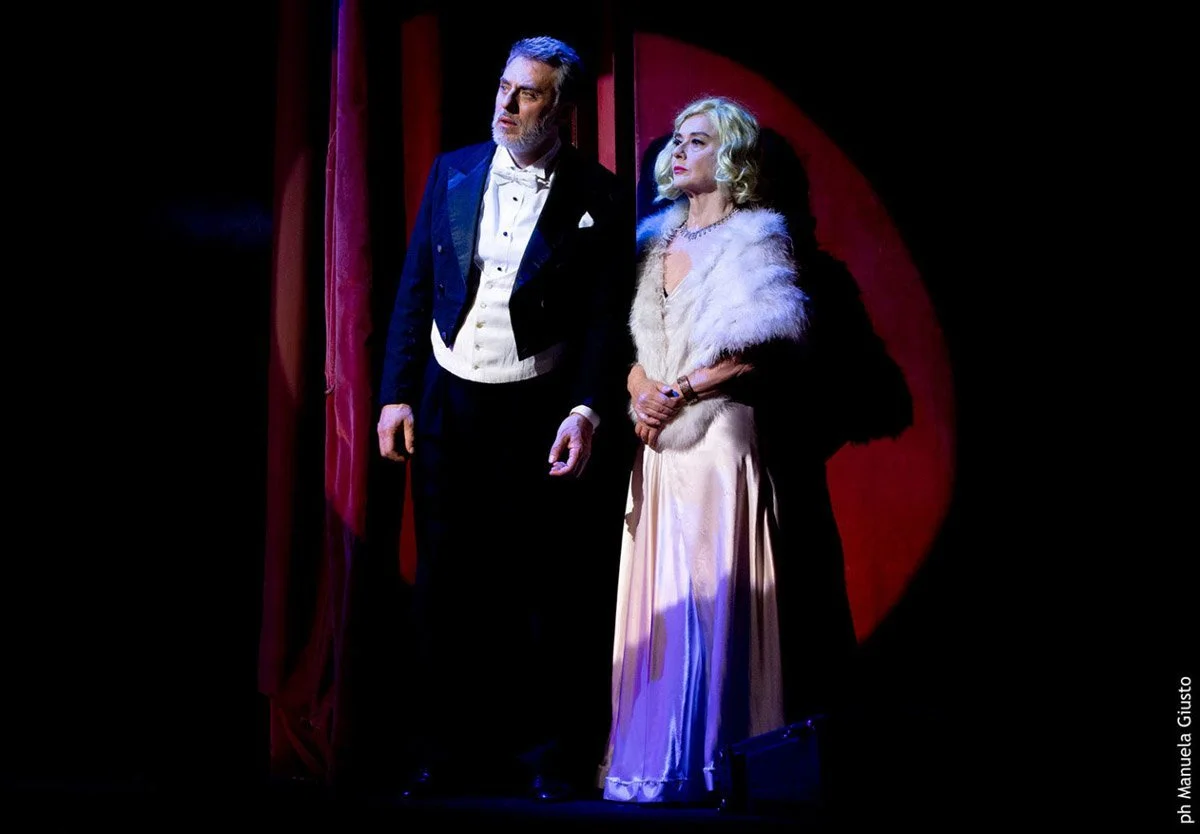
Ginger & Fred is a theatrical adaptation of Federico Fellini’s famous film. It tells the story of two former dance partners, once known as Ginger and Fred, who reunite after many years to appear on a TV variety show. As they rehearse for their brief comeback, they reflect on their past, lost dreams, and the superficiality of modern entertainment.
At the heart of the play is Monica Guerritore, who plays Amelia “Ginger” Bonetti. She is also the director and adaptor of the show, bringing a fresh, critical take on the original. Her role is central—both on stage and behind the scenes—as she breathes new life into Fellini’s vision with emotional depth, elegance, and modern relevance.
Joan of Arc
Tireless, perfectionist, and always seeking big challenges, she wrote directed and performed ‘Joan of Arc’ - a real tour de force - from 2005 - 2009. The play is now also being performed in France in a French translation by Jean Paul Manganaro (translator of Calvino and Pasolini).
Monica stands alone on stage, yet with minimal props - a rope, a stake, lighting, and music - she conjures an entire world. Her Jeanne is not a distant historical icon, but a fiery young woman who follows her inner calling and resists a world that does not understand her. Guerritore portrays her with physical and emotional strength that deeply moves the audience: every glance and movement carries meaning.
Husband and Wives
She adapted Woody Allen’s screenplay ‘Husband and Wives’ for the stgae - with Mr. Allen’s permission.
In ‘Mariti e Mongli’, Guerritore masterfully adapts and directs the story of two couples facing the unraveling of their relationships. When one couple splits up, a chain reaction of doubt, jealousy, and hidden longing is set in motion.
End of the Rainbow
She played an iconic Judy Garland in ‘End of the Rainbow’, where she also proved to be a talented live singer.
“End of the Rainbow” tells the gripping story of the final weeks in the life of legendary singer Jury Garland. The Italian adaptation of this internationally acclaimed play gains powerful emotional depth through the exceptional performance of Monica Guerritore, who brings Garland to life in all her vulnerability, rage, humor, and longing.
The Cherry Orchard
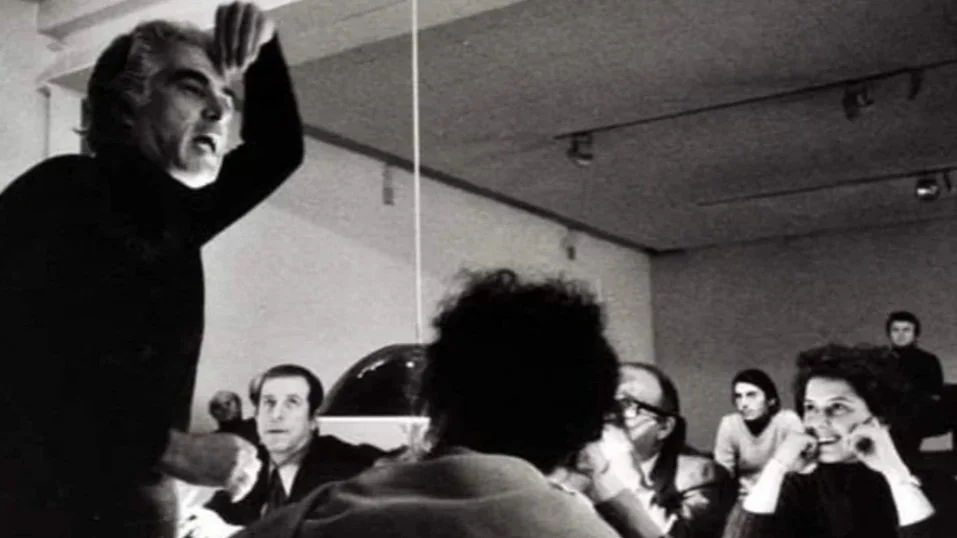
Giorgio Strehler knew immediately Monica was perfect to play the daughter of the lovely Valentina Cortese in Cechov’s masterpiec.
She was only 15. She made her stage debut at a young age as Anya. The young daughter full of hope for change, embodied a new generation.
From dreamy youth to fading aristocrazy, Guerritore gave both faces of Chekhov’s masterpiece a powerful soul.
La Lupa
The film ‘La Lupa/ She Wolf’ turned her into an internationally acclaimed dramatic star. La lupa is a Italian drama, adapted from the classic short story by Giavanni Verga. Set in the rigid and patriarchal society of 19th-century Sicily, the film follows a fiercely independent and passionate woman, known as “La Lupa” - played by Monica Guerritore - who defies societal norms in pursuit of desier and emotional truth.
The good Person of Sezuan
In 2019, she took on another majar challenge: directing and starring in Brecht’s ‘The good Person of Sezaun’, as a tribute to her beloved mentor Giorgio Strehler. “I’m not afraid",” she declaired. “I stand on a giant’s shoulders.’
Monica Guerritore emphasizes the timeless struggle between idealism and survival, showing how modern society - like Brecht’s - demands masks and compromises. Her poetic staging, emotional depth, and use of symbolic music connect the story directly to today’s world, making it urgent, moving, and deeply human.
Inganno
The serie ‘Deceitful Love’ was met with immediate succes and climbed into Netflix’s global Top 10, even reaching number one spot in several countries, including the US.
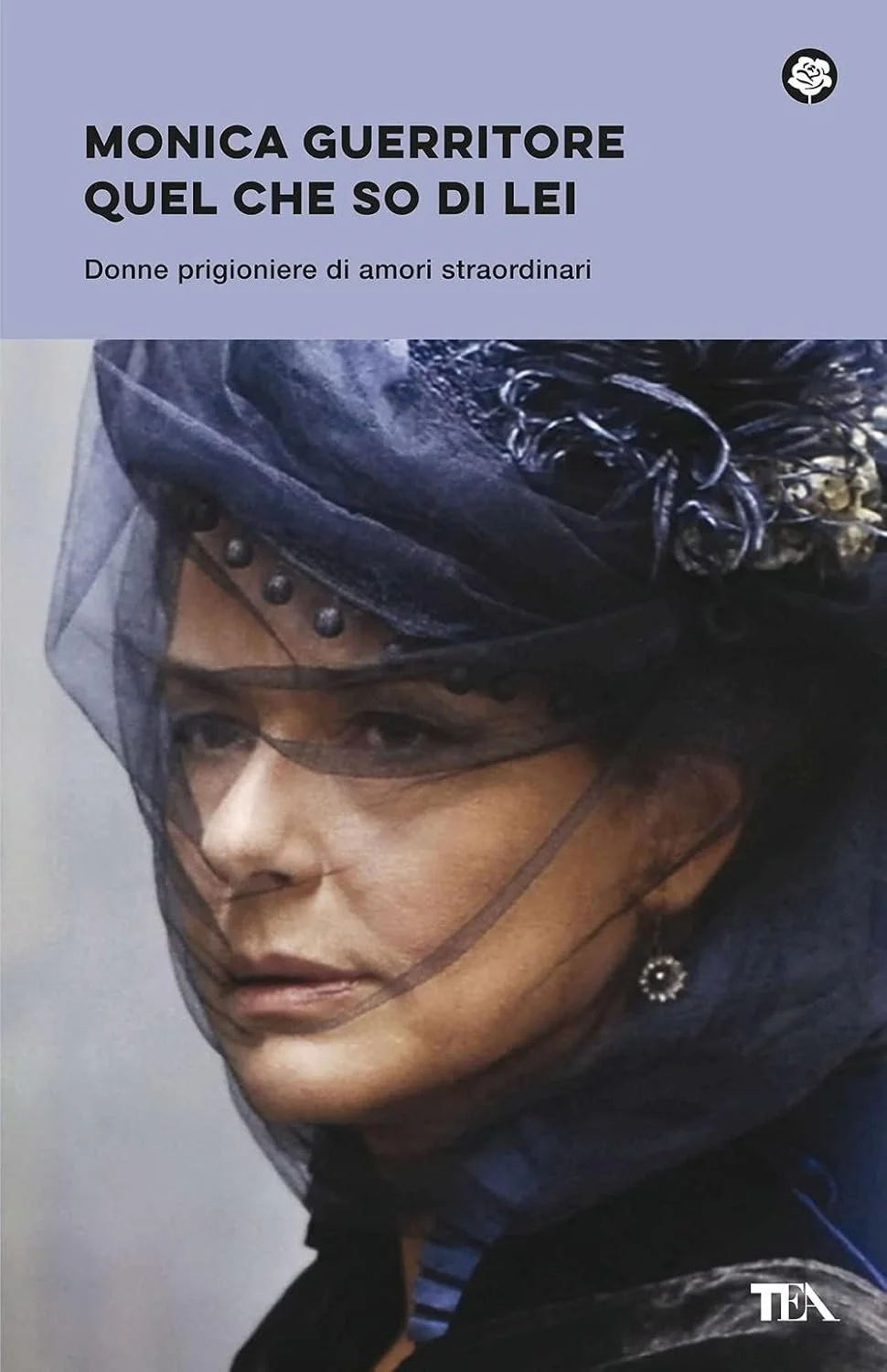
Quel che so di lei. Donne prigioniere di amori straordinari (“What I Know About Her: Women Imprisoned by Extraordinary Loves”) by Monica Guerritore is a powerful literary narrative that intertwines the tragic fate of Giulia Trigona – an aristocratic woman murdered by her lover in 1911 – with the voices of iconic female characters from literature and theatre. Guerritore, an actress herself, enters Giulia’s mind during her final hours and, through her, brings to life eight other women: Emma Bovary, La Lupa, Carmen, Oriana Fallaci, and others.
These women share a common thread: they are trapped in passionate, often destructive, relationships. Guerritore explores why they allow themselves to be consumed, what binds them to men who ultimately destroy them. This is not a crime reconstruction, but a profound meditation on passion, submission, seduction, and resistance. Written in a poetic and almost theatrical style, the book invites readers to reflect on the vulnerability — and the strength — of female desire.
The result is a moving and timely work about love as a prison — but also about the possibility of liberation.
La forza del cuore: Le sfide della mia vita by Monica Guerritore is a deeply personal and moving memoir that explores the emotional and artistic journey of one of Italy’s most celebrated actresses. In this intimate account, Guerritore reflects on the defining moments of her life — from her early debut on stage under the direction of Giorgio Strehler, to the passionate and sometimes painful relationships that shaped her identity, including her long partnership with director Gabriele Lavia.
Through love, heartbreak, motherhood, and professional transformation, she discovers the true strength that lies in vulnerability and self-awareness. The book also touches on the challenges of illness, both her own and those of her loved ones, showing how even in the face of suffering, the human heart remains capable of healing and renewal.
Guerritore speaks candidly about aging, the shifting meaning of beauty, and the need for women to reclaim their space — in love, in work, and within themselves. Written in a vivid, theatrical, and introspective style, La forza del cuore is not just the story of an actress, but a universal reflection on resilience, identity, and the power of emotional truth.